Dr. Sallam has taught 3 graduate and
8 undergraduate courses in thermofluids,
from fluid mechanics and heat transfer to compressible flow, propulsion, and combustion.
Courses
Undergraduate
ENSC 3233
Fluid Mechanics
The study of fluid properties, statics, conservation equations, dimensional analysis and similitude, viscous flow in ducts, inviscid flow, boundary layer theory, open channel flow, turbomachinery and fluid measurement techniques.
Prerequisites: ENSC 2113 and MATH 2153 with a grade of "C" or better.
MAE 3013
Engineering Analysis and Methods
Setup and solution of equations which govern mechanical engineering systems. Application and solution of the governing equations to describe the steady state or transient behavior of dynamics, mechanics and circuit problems. Linear sets of equations and ODEs are used to describe systems; solutions may be simplified using complex numbers or Fourier/Laplace transforms. Numerical methods for solutions, data analysis, quality control and statistical hypothesis testing are covered.
Prerequisites: A grade of "C" or higher in PHYS 2114 and MATH 2233.
MAE 3233
Heat Transfer
Mechanisms of heat transfer. Steady and transient conduction, free and forced convection, heat exchanger design and analysis, radiation and multiphase behavior. Numerical methods, dimensional analysis and boundary layer theory.
Prerequisites: A grade of "C" or higher in ENSC 3233.
MAE 3293
Compressible Flow
Basic equations of compressible flow. Nozzle and duct flows with friction and heat transfer, choking, normal and oblique shock waves, Prandtl-Meyer expansions, compressible flow over airfoils.
Prerequisites: A grade of "C" or higher in ENSC 2213, ENSC 3233 and MATH 2233.
Lecture 2: Subsonic vs. supersonic flow — what is the difference?
Lecture 3, part 1
Lecture 3, part 2
Lecture 4
Lecture 6, part 1
Lecture 6, part 2
Lecture 6, part 3
Lecture 7
Lecture 8
Lecture 9, part 1
Lecture 9, part 2
Lecture 10
Prof. John Cimbala (Penn State) on oblique shock waves
ME 420 Lecture 34: Introduction to Oblique Shocks
ME 420 Lecture 35: The Theta-Beta-Mach Number Equation for Oblique Shocks
ME 420 Lecture 36: Oblique Shocks — Discussion and Examples
MAE 3524
Thermal Fluids Design
Design, modeling and simulation of thermal systems. Analysis and modeling of components such as fans, pumps, ducts, pipes, fittings, heat exchangers, and heat pumps.
Prerequisites: Admission to MAE professional school. Grades of "C" or higher in ENSC 2213 and ENSC 3233, or concurrent enrollment in MAE 3233.
The study of aerospace power and propulsion engines utilizing a gas as the working fluid. Design and analysis of complete aircraft engine systems and individual components of the aircraft engine. Engine component matching for design using analysis routines, including inlets and diffusers, fans and compressors, combustors, turbines, nozzles, and propellers. Additional propulsion and power systems including chemical and non-chemical rocket motors and other internal combustion engines.
Prerequisites: Grades of "C" or higher in ENSC 3233 and MAE 3293.
MAE 4263
Energy Conversion Systems
This course covers the use of renewable and non-renewable energy sources in power production. Energy conversion processes are analyzed, and performance characteristics of components and systems are modeled using modern computational methods. Applications include overall design of conventional Rankine power systems and may also include design of nuclear, solar, wind, wave, thermoelectric, and geothermal energy systems.
Prerequisites: Admission to MAE professional school. Grades of "C" or higher in MAE 3233 and MAE 3223 or MAE 3524.
Experimental study of basic and applied fluid dynamics systems with comparisons to analytical predictions. Fluid dynamics instrumentation, digital data acquisition and processing, design of facilities and experiments, technical report writing and design project with experimental verification.
Prerequisites: A grade of "C" or higher in MAE 3113 and ENSC 3233.
Graduate
MAE 5243
Micro Flows
Fundamentals and simulation of micro flows including governing equations, slip models, shear- and pressure-driven micro flows. Thermal effects in micro scales. Applications: MEMS and micro propulsion. Numerical methods for continuum simulation and atomistic simulation.
Prerequisites: Graduate standing or consent of instructor.
MAE 5253
Multiphase Flow
Theory, methods and practical experience for studying complex transient multiphase flows: basic concepts and definitions, dynamics of bubbles, drops and rigid particles, gas-liquid transport in ducts, fluid-solid transport in ducts, aerosol and spray systems, foam, fluidization, particle separation systems, multiphase flow in porous media, breakup of liquid sheets and jets, modeling, and advanced experimental techniques for multiphase flow.
Prerequisites: Graduate standing.
MAE 5263
Combustion
Chemical thermodynamics, chemical kinetics, conservation equations for reacting systems, premixed laminar flames, diffusion flames, turbulent flames, mechanism reduction and chemistry solvers, combustion diagnostics, and new combustion technologies.
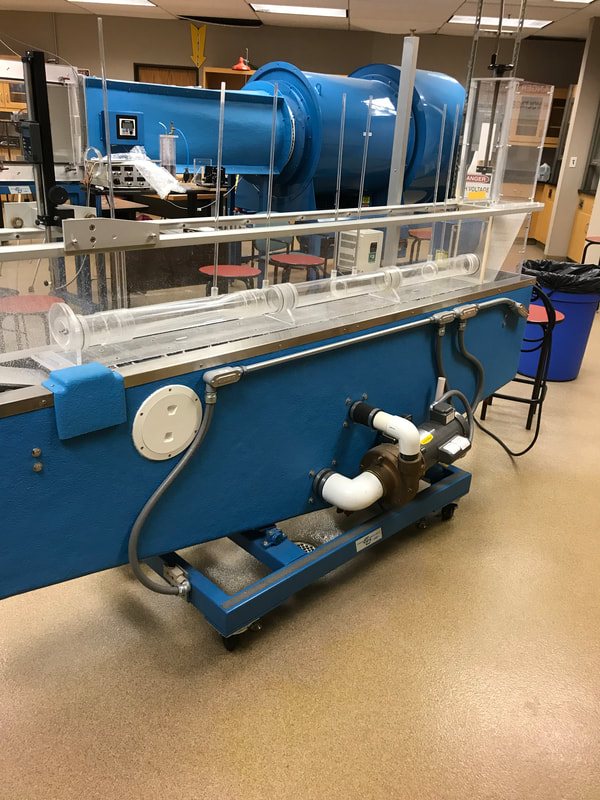
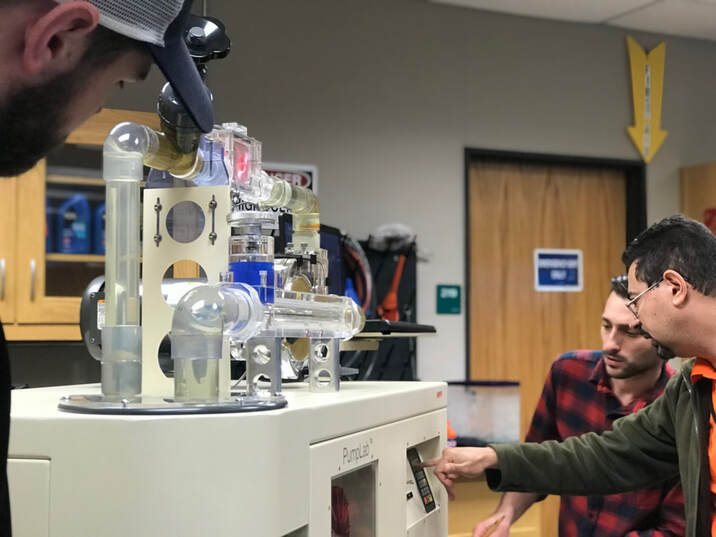
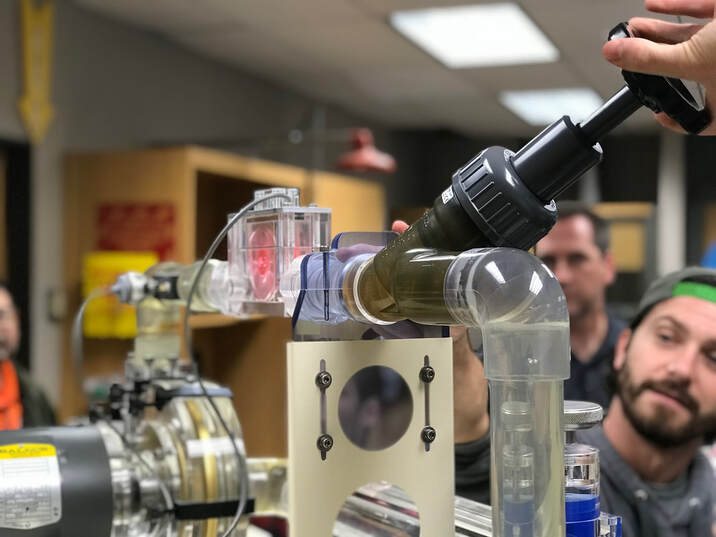
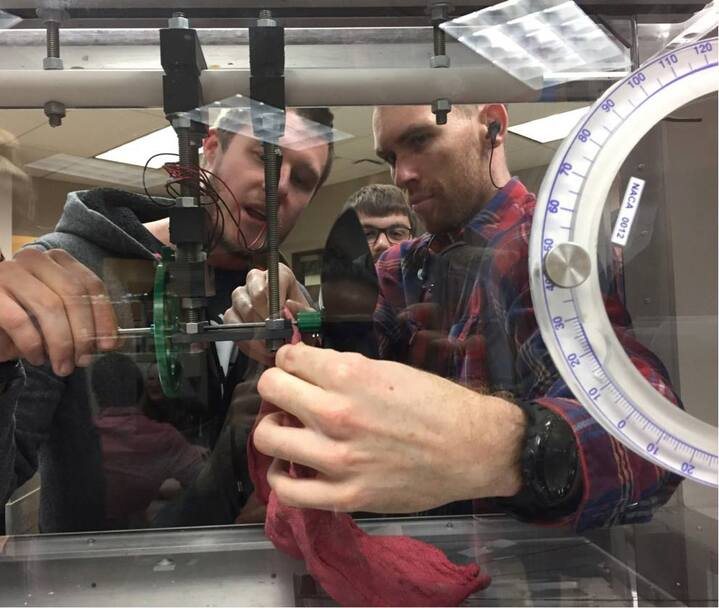
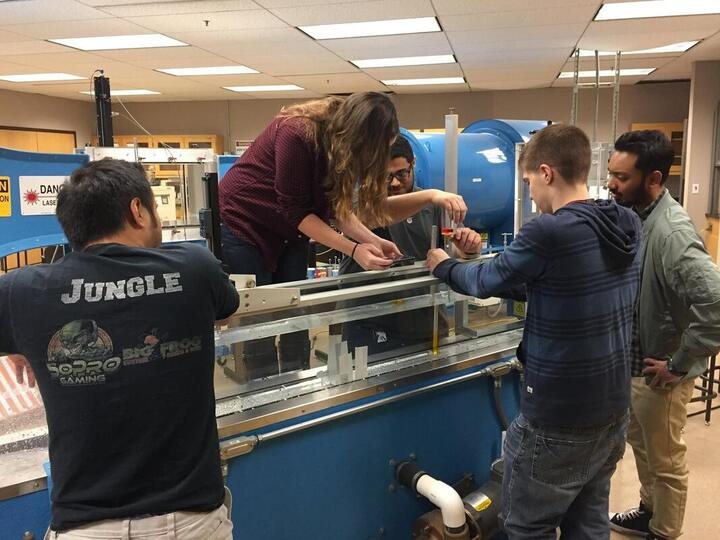
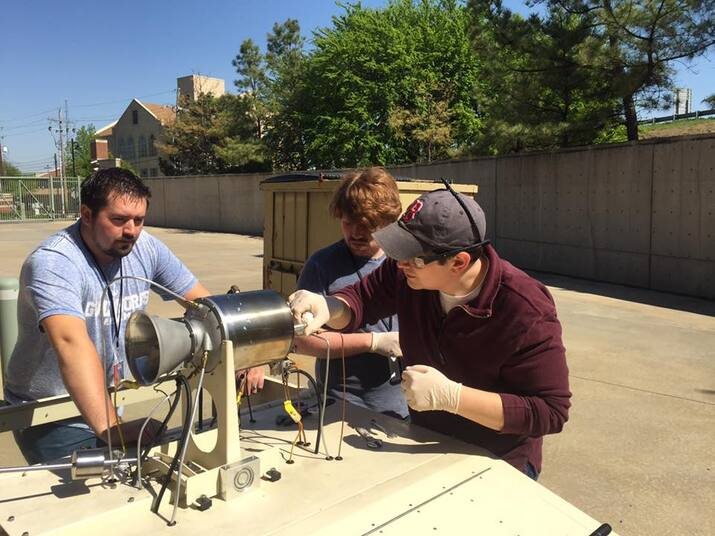
Hydraulic channelExperimental fluid dynamics lab sessionExperimental fluid dynamics lab sessionStudents working with the flow visualization rigStudents working with the wind tunnelPump teardownStudents on campus
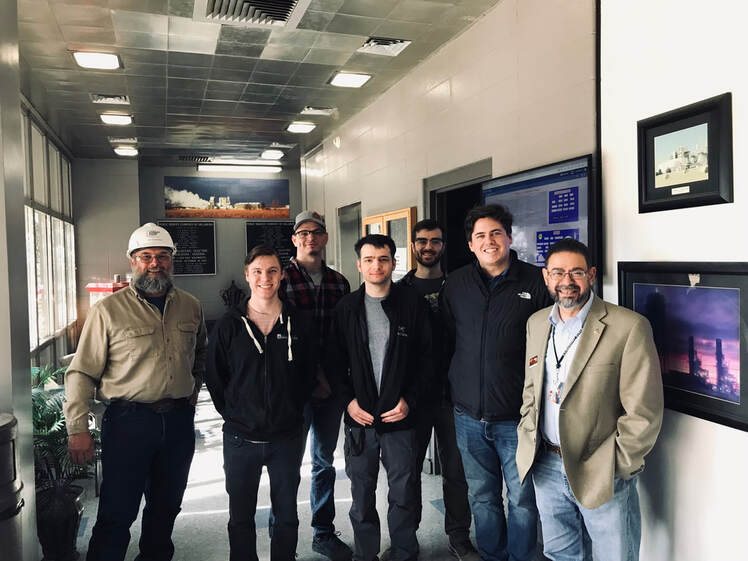
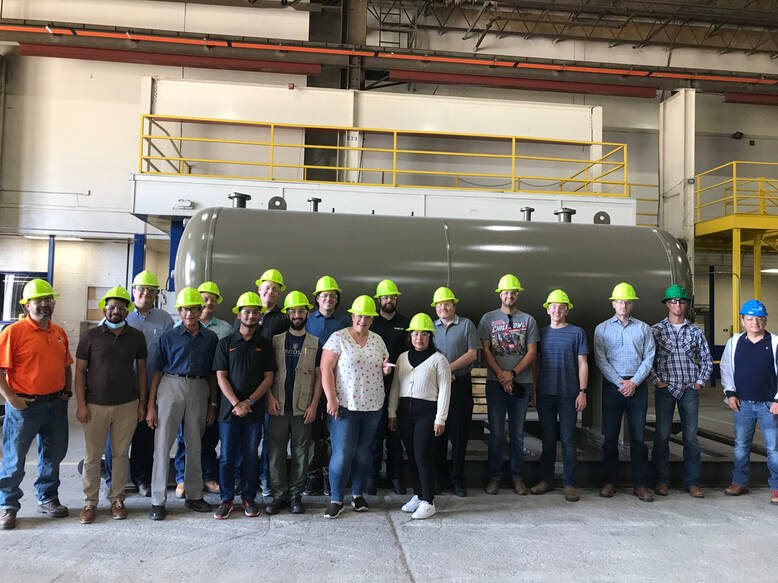
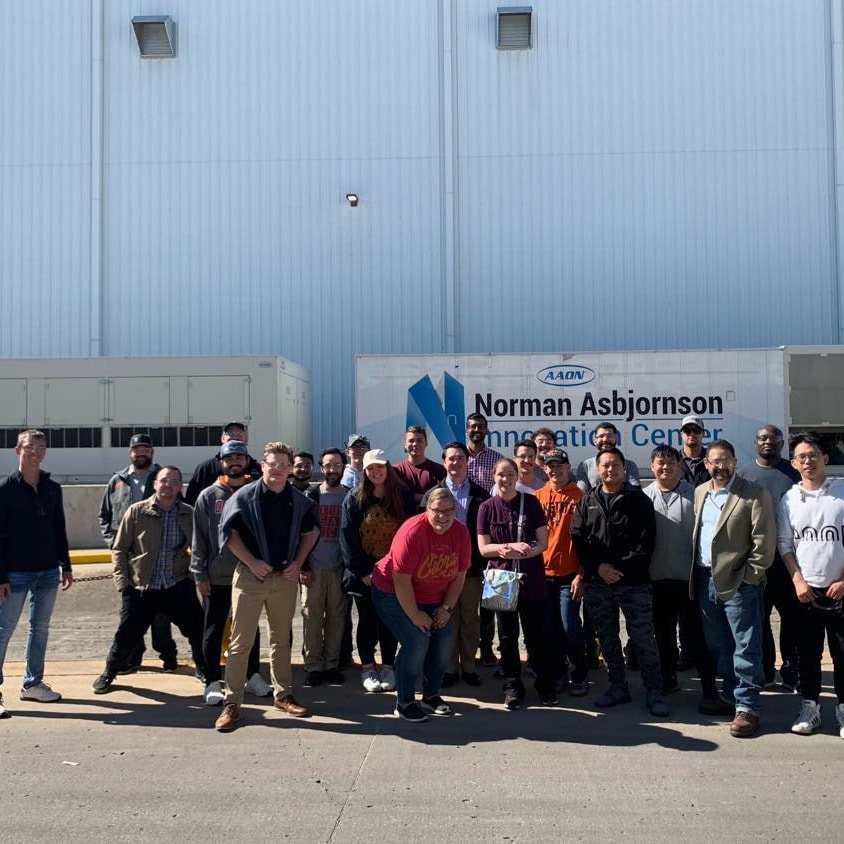
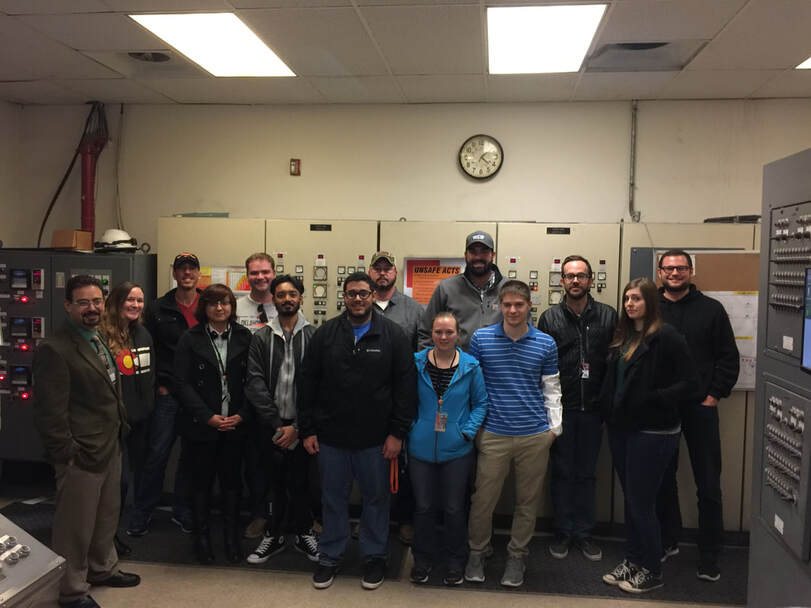
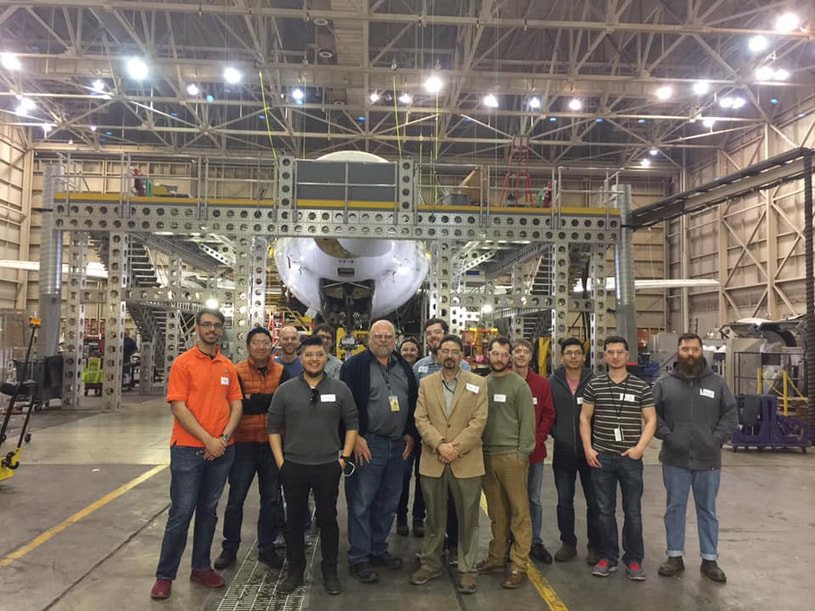
Industry visits
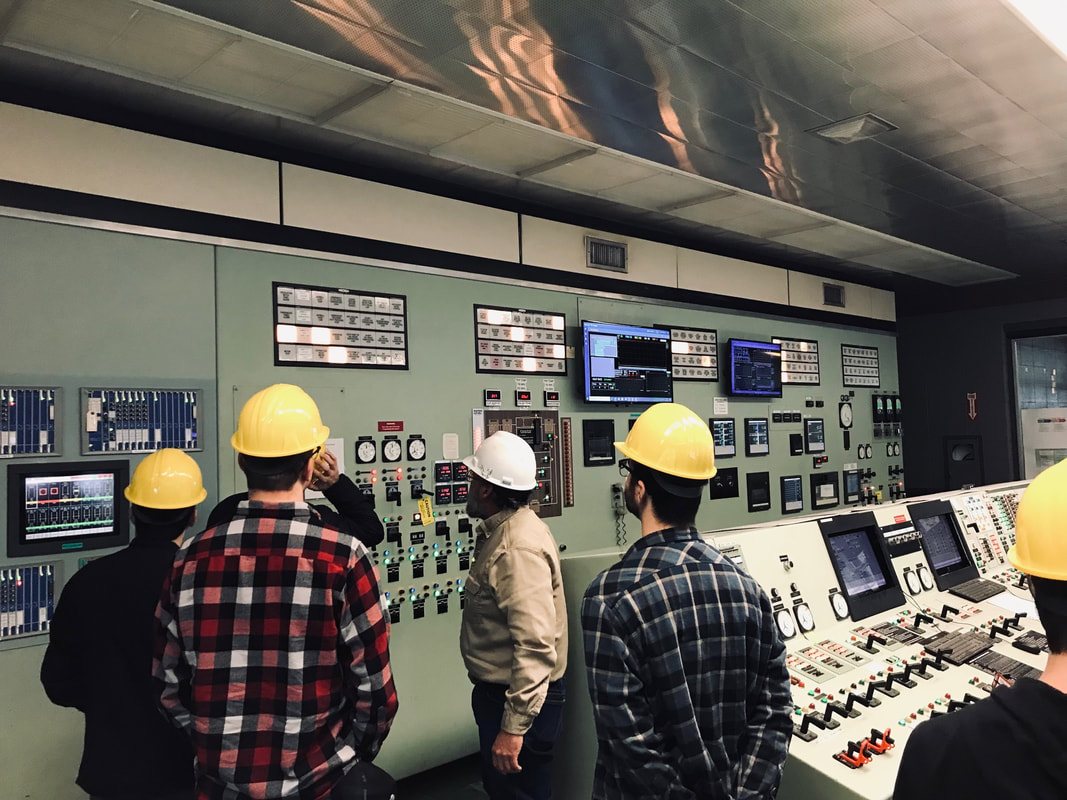
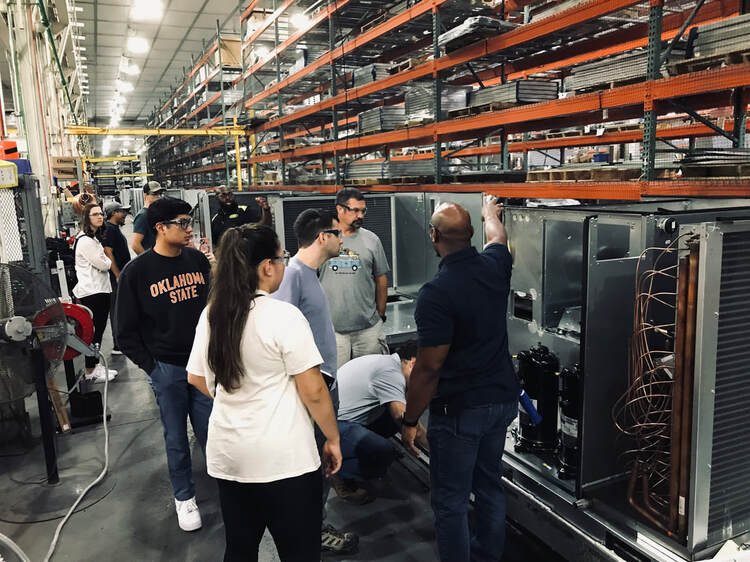
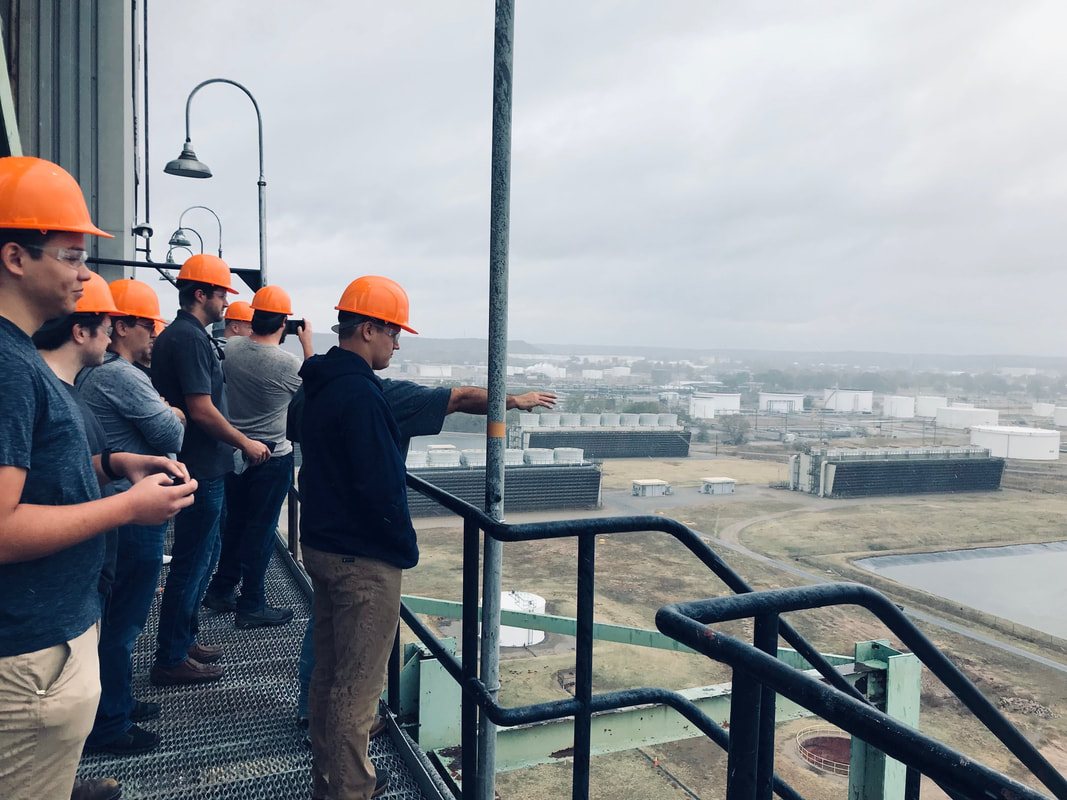
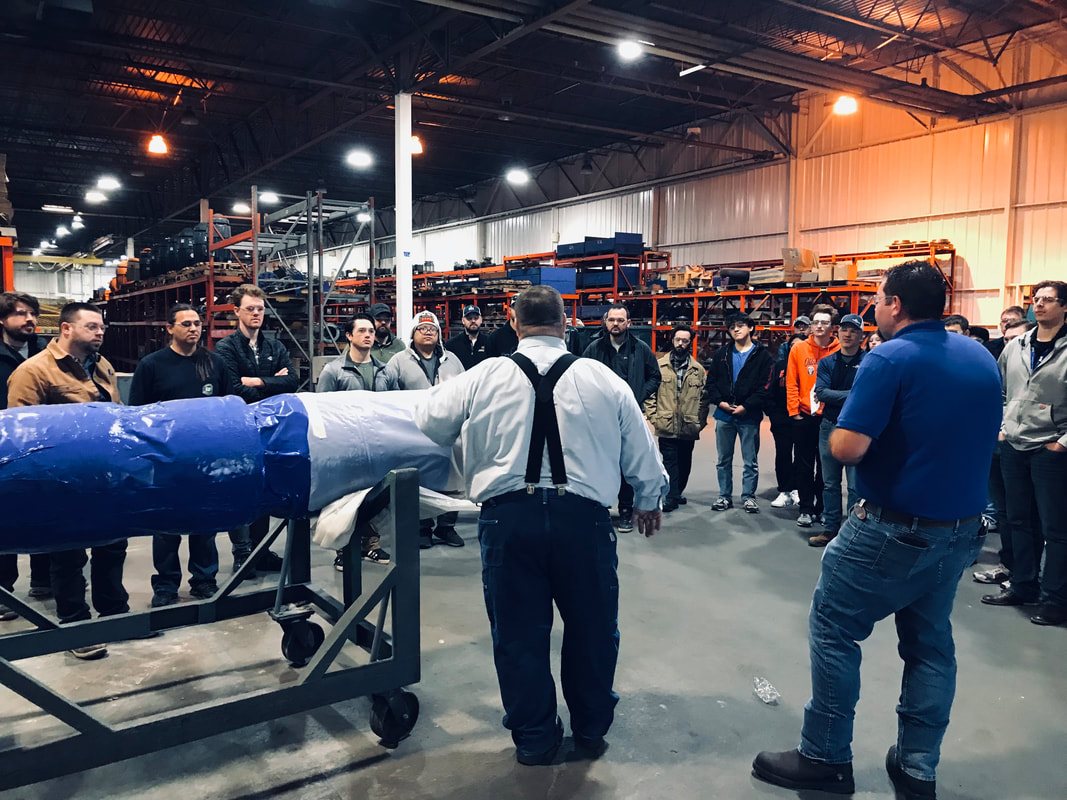
Students regularly visit industrial facilities around Tulsa to see thermal-fluid systems at full scale.
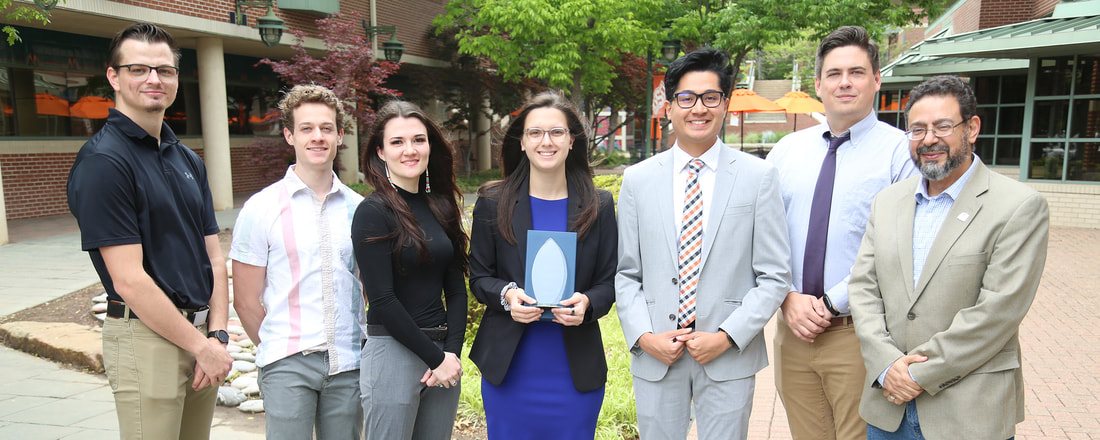
Dr. Sallam is the faculty advisor of the ASME student section at OSU-Tulsa. The section was named Student Organization of the Year for 2023/2024 and received the ASME Student Section Achievement Award in 2026, its third consecutive year.
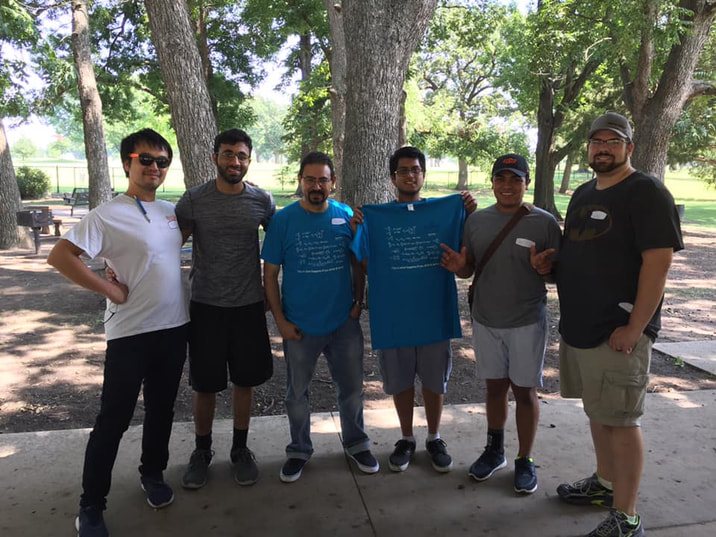
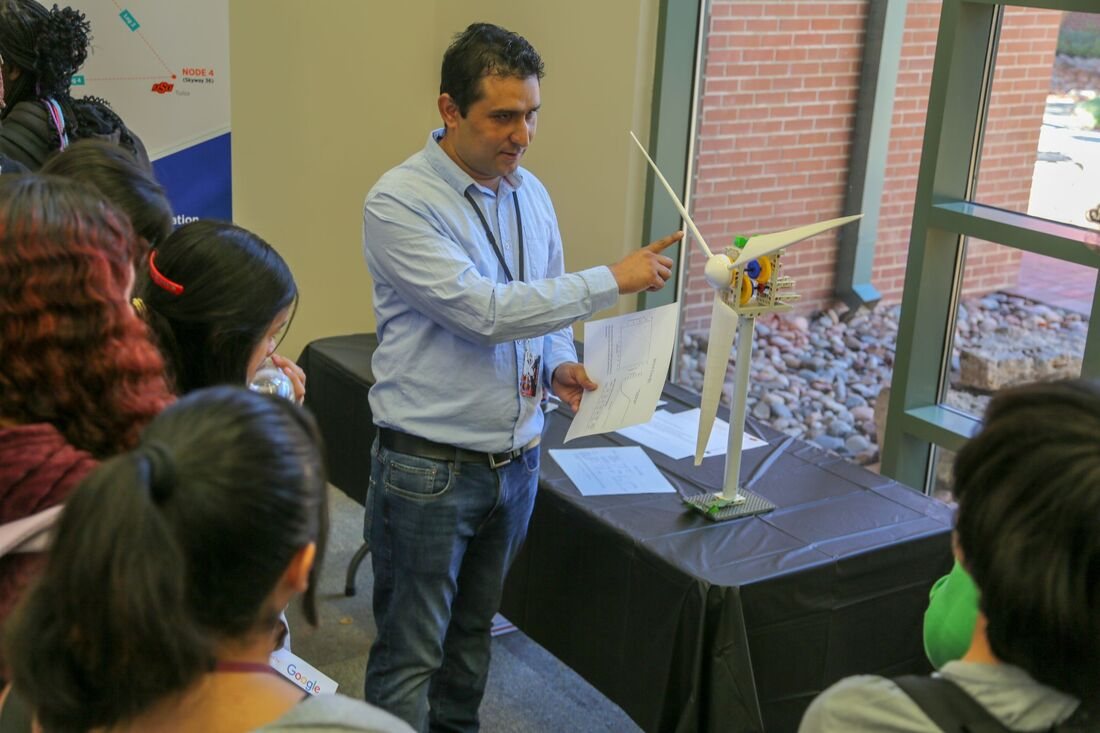
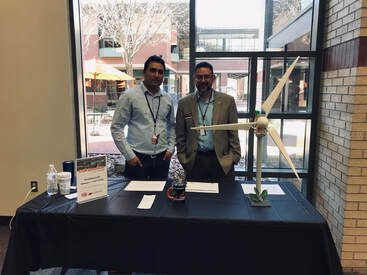
ASME@OSU-Tulsa — 2024 Student Organization of the Year AwardASME@OSU-TulsaSTEM Symposium demonstrationSTEM Symposium, Mechanical and Aerospace Engineering boothSTEM Symposium, Mechanical and Aerospace Engineering booth
Tool
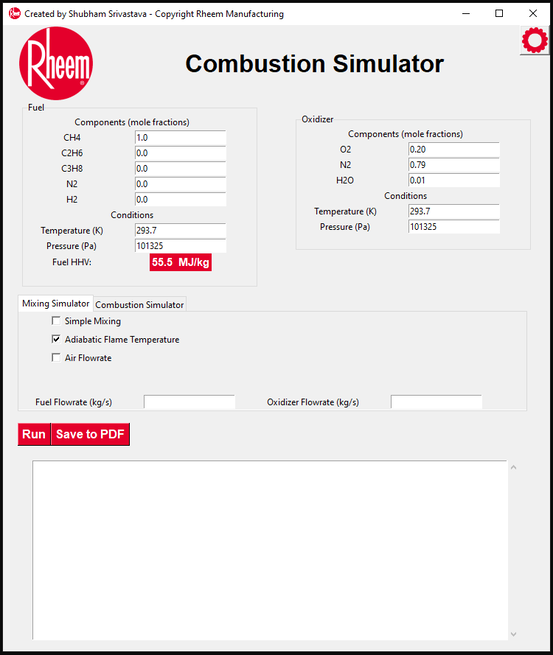
Combustion simulator
A combustion simulator developed by Dr. Sallam's collaborator, Dr. Shubham Srivastava (Rheem Water Heating), is used in the lab for studying mixtures of reacting flows. Contact Dr. Srivastava for access and copyright information.